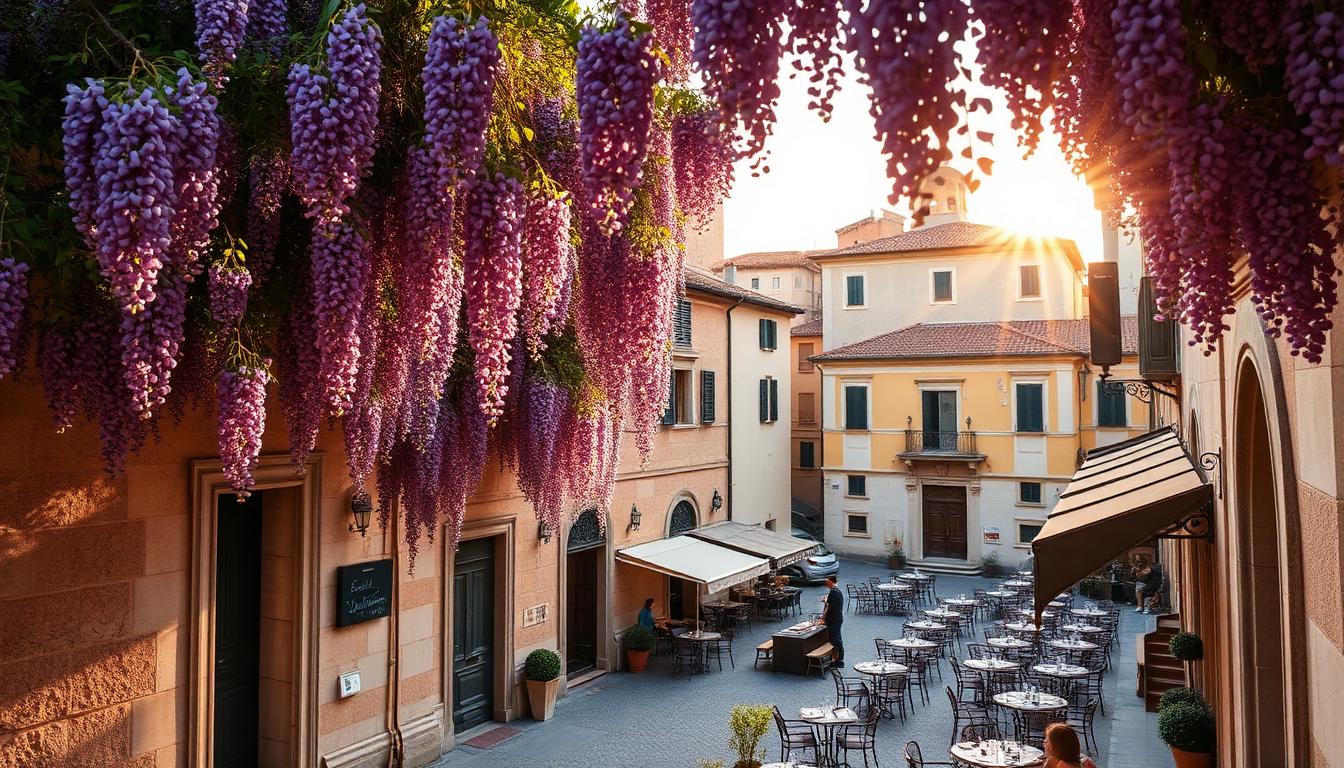
From the wisteria-draped terraces of April to the golden stillness of October, every season in Rome offers something extraordinary — if you know where to look.
Rome is extraordinary year-round, but the quality of your experience shifts dramatically by season. The difference between a transcendent trip and a merely good one often comes down to timing — the month can influence terrace use, weather and visitor levels, but events and conditions on your dates matter too.
For luxury travel planning, compare typical seasonal patterns with your priorities and the actual conditions for your dates. Temperature ranges below are indicative, not forecasts; check current weather, holiday dates, venue openings and hotel offers before committing.
The Short Answer
April–May and September–October are useful starting points for travellers who prefer milder conditions. These months can also be busy, especially around holidays and events; weather, crowds and hotel availability vary. October is worth considering, not a universal best month.
Spring: March–May
March
Rome wakes up slowly. Early March can still feel like winter — grey skies, rain, and temperatures around 10–14°C. But by late March, the city softens. Almond trees blossom, and the light over the Forum turns amber. Rates and availability may be more favourable outside holiday and event dates; compare current offers.
Best for: Travellers who prefer solitude over sunshine. Indoor museum visits; reserve timed entry where available and compare current hotel rates.
April
This is when Rome becomes genuinely magical. Wisteria cascades over Trastevere balconies. Conditions can suit walking, but cool or rainy days remain possible. Many rooftop restaurants typically reopen. Easter brings processions and crowds around the Vatican, and demand can also affect other parts of the city; check holiday dates and timed-entry availability.
Best for: First-time visitors who want beauty, comfort, and manageable crowds. Rooftop dining season begins.
May
The sweet spot between spring and summer. Days are warm (20–26°C), evenings are long, and the gardens at Villa Borghese are at their peak. May is popular, so book hotels early — and do not assume that spring crowds will be lighter than summer.
Best for: Couples and families. Outdoor dining when weather permits. Gardens and villas, with current opening times checked.
Summer: June–August
June
June can be warm, and heatwaves or busy visitor periods are possible even early in the month. If a pool matters, confirm that your chosen hotel has one, its opening dates and guest-access terms rather than relying on destination imagery.
Best for: Travellers who enjoy warm evenings and don't mind occasional heat. Excellent hotel pool season.
July
Rome gets hot. Properly hot — 32–36°C with limited shade in many areas. The Colosseum at midday becomes an endurance test. Many Romans leave the city. Some offers may suit your budget, but summer does not guarantee lower rates. Check restaurant opening times and plan breaks from the heat.
Best for: Heat-tolerant travellers seeking value. Early starts and indoor breaks, with crowd levels varying by location.
August
Some residents leave for summer holidays, but tourist areas can remain busy. Many family-run restaurants close for Ferragosto (August 15). Temperatures can exceed 38°C. Some neighbourhoods may feel quieter, while major sights can still draw crowds. Check hotel and restaurant opening arrangements for your dates. Suite upgrades are subject to eligible offer terms and availability, not the month alone.
Best for: Travellers who've been before and want Rome in its most stripped-back, cinematic form. Plan around heat and holiday closures rather than expecting an upgrade.
Autumn: September–November
September
Rome exhales. Heat can persist into September, while the city's activity picks up again — restaurants reopen, cultural events resume, and the light turns golden. Temperatures hover around 24–28°C. This is when Rome is most itself.
Best for: Returning visitors. Food lovers (new seasonal menus launch). Walking plans adjusted to current weather.
October
October can suit travellers seeking autumn light and milder walking conditions, but rain, busy attractions and strong hotel demand remain possible. Compare actual availability and rates. Partner benefits follow the confirmed offer; upgrades depend on occupancy and availability, not a presumed seasonal advantage.
Best for: Travellers who prefer autumn conditions and can adapt to rain. Confirm rooftop opening dates with the venue.
November
Grey days return, and occasional rain. But November has its charm — truffle season arrives, and the city's indoor life (wine bars, galleries, candlelit trattorias) comes into focus. Hotel rates may ease outside event dates, but compare the current total and cancellation terms. A cashmere-and-espresso kind of month.
Best for: Food and wine travellers. Budget-conscious luxury. Intimate, atmospheric Rome.
Winter: December–February
December
December brings Christmas lights, nativity scenes and festive hotel decorations. Look for the Vatican’s 100 Nativity Scenes exhibition beneath Bernini’s colonnade in St. Peter’s Square, and check the organiser’s website for dates and hours before visiting. Temperatures sit around 6–12°C. Hotels dress up, and the city feels festive without the commercial excess of other European capitals.
Best for: Festive atmosphere. Holiday shopping on Via dei Condotti. Beautiful hotel decorations.
January
January can be quieter outside holidays and events, but galleries and restaurants are not necessarily empty. Winter light gives the city a different character, and some hotel offers may be competitive rather than universally the year's cheapest. The January sales on Via dei Condotti are legendary.
Best for: Solo travellers, writers, and anyone seeking deep quiet. Compare winter offers and current opening times.
February
Still cold (6–12°C) but the days start lengthening. Carnival brings scattered festivities. By late February, the first hints of spring appear — early blossoms, longer afternoons, a sense of anticipation. A transitional month with real charm.
Best for: Travellers who enjoy transition seasons. Pre-spring calm before the April rush.
When to Book
For peak months (April, May, September, October), I recommend booking 3–6 months ahead — especially for properties like Hotel Eden, Hotel de Russie, and Hassler Roma, where the best rooms go quickly.
For other periods, check availability as soon as your plans are known. A shorter booking window may work for some stays, but does not guarantee room-category choice, lower rates or partner benefits. Book essential room features and confirm the eligible offer in writing.
The Bottom Line
There is no bad time to visit Rome — only different versions of it. The question isn't when to go, but which Rome you want to meet. The sun-drenched, piazza-filled summer? The golden, unhurried autumn? The quiet, reflective winter?
Whatever you choose, having the right advisor makes the difference between a good hotel and the right hotel, in the right room, at the right time.
Felipe Miranda is a Fora Travel advisor for luxury hotel bookings worldwide, with Rome and Italy specialties.